
The Art and Strategy of Interior Design
Interior design isn’t just about making a space look good. It’s a deliberate, highly strategic process that blends function, psychology, aesthetics, and technical skill. A well-designed interior doesn’t happen by accident—it’s the result of dozens of interconnected decisions, from the placement of a single chair to the color temperature of the lighting overhead.
This article breaks down the core principles, methods, and practical considerations required to design interiors with intention and clarity.
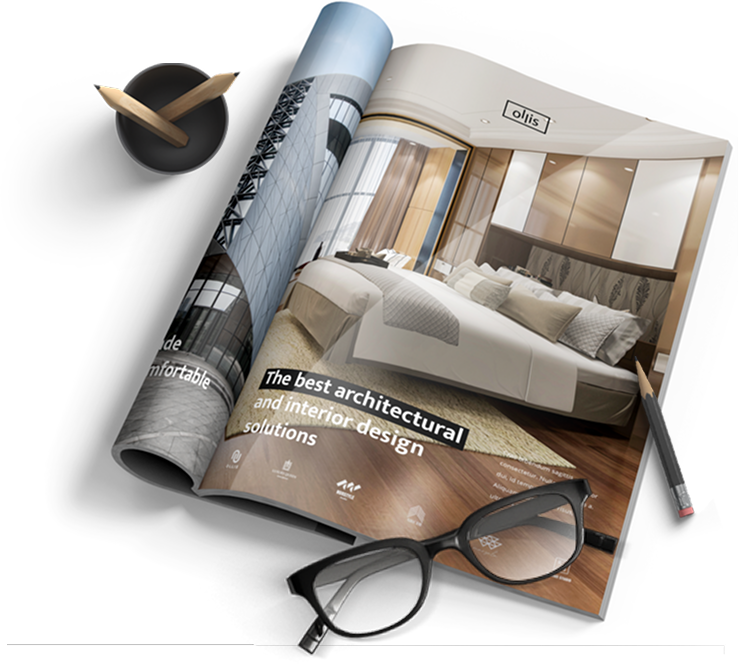
Every design decision should answer one question: What is this space supposed to do?
You can’t design effectively without a clear definition of purpose.
Common Functional Goals
-
A living room should encourage conversation and relaxation.
-
A home office must support focus, organization, and workflow.
-
A kitchen must optimize movement patterns for cooking, prep, and cleanup.
-
A bedroom needs to reduce cognitive load and support rest.
-
A retail space must guide movement and stimulate buying behavior.
Once you define the purpose, you can establish the features, materials, and layout that support it.
Understanding the Purpose of the Space
Space Planning: The Backbone of Interior Design
Space planning is the structural skeleton behind a successful design. If the layout doesn’t work, nothing else matters.
1. Traffic Flow
Smooth circulation means:
-
People can walk through the space without navigating obstacles.
-
Logical “paths” exist from one functional zone to another.
-
Furniture supports the layout instead of fighting it.
2. Functional Zoning
Divide the room into areas with clear intentions:
-
Active zones: dining, working, cooking.
-
Passive zones: reading corners, lounges, resting areas.
-
Transitional zones: hallways, entry areas.
Effective zoning prevents the space from feeling chaotic or aimless.
3. Proportion and Scale
Oversized furniture can suffocate a room. Tiny furniture in a large room looks like an afterthought.
A few rules of thumb:
-
Leave at least 90 cm (3 ft) for walkways.
-
A coffee table should sit about 45 cm (18 in) from the sofa.
-
Dining chairs need at least 60 cm (24 in) of width per person.
-
A rug should touch at least two furniture legs in a seating area.
These are practical, not decorative, considerations.
Color Theory: Psychology Meets Aesthetics
Colors influence mood—this isn’t abstract theory; it’s well-documented psychology.
Warm Colors (Red, Orange, Yellow)
-
Energizing
-
Stimulate conversation
-
Ideal for social spaces
Cool Colors (Blue, Green, Purple)
-
Calming
-
Support focus and relaxation
-
Good for bedrooms, offices, and bathrooms
Neutrals (Gray, White, Black, Beige)
-
Provide balance and structure
-
Form the base palette in modern design
Choosing the Right Palette
Consider:
-
Natural lighting conditions
-
Room size
-
How the space will be used
-
The existing materials (floors, cabinetry, built-in fixtures)
A color that feels warm and inviting in a bright room may feel oppressive in a dim one.
Common Mistakes to Avoid
People sabotage their interiors with avoidable errors. Here are the big ones:
-
Buying furniture before measuring the room
-
Using one light source
-
Overloading with décor
-
Ignoring storage needs
-
Choosing paint before selecting materials
-
Matching everything too perfectly
-
Pushing all furniture against the walls
Avoid these, and your design instantly improves.
We Are Ready To Help You !!
Lorem ipsum dolor sit amet consectetur. Purus volutpat molestie morbi sem mollis nunc quam sed gravida. Puru
Subscribe to our newsletter.
Quick Links
Services
About Us
Contact Details
Email: Loremipsum@gmail.com
Costumer Service: Mon- Fri, (9am-5pm)
Location: [Your City/ Region]
© 2025 Kick Space Interior All Rights Reserved.